Cardiovascular Disease: A Scientific Exploration of the Human Circulatory System
The complex network of blood vessels and the heart constitutes the primary life-support system of the human body, responsible for transporting oxygen, nutrients, and hormones to tissues while removing metabolic waste. Cardiovascular Disease (CVD) is a general term describing a class of disorders that affect the heart or blood vessels. These conditions range from issues with the heart's rhythm and valves to the narrowing of arteries due to fatty deposits. This article offers an objective, science-based overview of the cardiovascular landscape. The discussion will define the fundamental types of heart and vascular conditions, explain the biological mechanisms of disease progression—specifically atherosclerosis—compare various management modalities, and examine current global health trends. By moving from cellular mechanics to societal impact, this resource provides an informative framework for understanding how circulatory health affects overall biological function.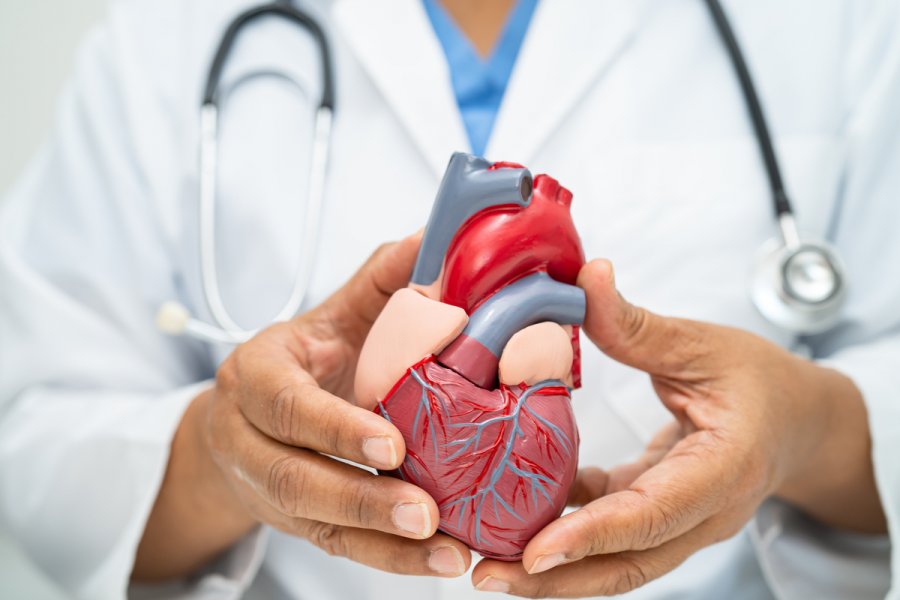
Core Categories of Circulatory Disorders
Cardiovascular disease is an umbrella term that encompasses several distinct physiological issues. Understanding the differences between these categories is essential for recognizing how they impact the body.
- Coronary Artery Disease (CAD): The most common form, occurring when the vessels supplying the heart muscle itself become narrowed or blocked.
- Cerebrovascular Disease: Conditions affecting the blood vessels that supply the brain, which can lead to strokes.
- Peripheral Artery Disease (PAD): Narrowing of the arteries that supply blood to the limbs, most commonly the legs.
- Congenital Heart Disease: Structural malformations of the heart that are present from birth.
- Rheumatic Heart Disease: Damage to the heart muscle and valves caused by rheumatic fever, which results from streptococcal bacteria.
- Arrhythmia and Valve Disorders: Issues with the electrical "wiring" of the heart or the mechanical "flaps" that control the direction of blood flow.
The Biological Engine: Mechanisms of Disease Progression
The development of cardiovascular disease is rarely a sudden event. It is typically a progressive biological process that unfolds over decades, centered on the health of the blood vessel walls.
1. The Process of Atherosclerosis
The most significant driver of CVD is atherosclerosis. This begins when the inner lining of an artery, the endothelium, becomes damaged. Factors such as high blood pressure or chemicals from tobaccos can cause this initial injury. In response, the body attempts to repair the area, leading to a buildup of fats, cholesterol, and inflammatory cells, known as plaque.
2. Plaque Stability and Rupture
As plaque grows, it can harden (calcify) or remain soft. If a soft plaque ruptures, the body triggers a clotting response to "heal" the break. However, this clot can block the entire artery instantly. If this occurs in a coronary artery, it causes a myocardial infarction (heart attack); if it occurs in an artery leading to the brain, it causes an ischemic stroke.
3. Heart Muscle Remodeling
When the heart must pump against high pressure (hypertension) or through narrowed valves, the muscle fibers stretch or thicken. This is known as remodeling. Over time, the heart may become too stiff or too weak to pump effectively, leading to heart failure.
Management Landscapes and Technical Comparison
The management of cardiovascular health involves a combination of lifestyle adjustments, chemical interventions, and mechanical repairs.
| Management Type | Primary Goal | Common Examples | Biological Action |
| Pharmacotherapy | Chemical regulation | Statins, Beta-blockers | Lowers cholesterol or slows heart rate |
| Interventional Radiology | Mechanical opening | Angioplasty / Stenting | Physically widens narrowed vessels |
| Surgical Procedures | Rerouting / Repair | Bypass (CABG) | Creates new paths for blood flow |
| Lifestyle Modification | Risk reduction | Nutrition / Exercise | Reduces inflammation and blood pressure |
Clinical Diagnostic Standards
- Electrocardiogram (ECG): Measures the electrical activity of the heart to detect rhythm issues.
- Echocardiogram: Uses ultrasound to visualize the mechanical pumping action and valve function.
- Lipid Panel: A blood test that quantifies different types of cholesterol (LDL, HDL) and triglycerides.
Global Data and Objective Discussion
Cardiovascular disease remains a primary focus of global public health due to its high prevalence and the significant portion of cases that are linked to modifiable factors.
- Mortality Statistics: According to the World Health Organization (WHO), CVD is the leading cause of deaths globally, accounting for an estimated 17.9 million deaths each year.
- The Preventability Factor: Research indicates that a substantial majority of premature heart disease and stroke cases—up to 80%—can be addressed through the management of behavioral risk factors such as tobaccos use, unhealthy diet, and physical inactivity.
- Economic Impact: The burden of CVD extends beyond health, affecting global productivity. Data shows that by 2030, the total global cost of cardiovascular disease is projected to reach approximately $1 trillion annually.
- Demographic Shifts: While often associated with high-income nations, over three-quarters of CVD deaths now occur in low- and middle-income countries, where access to early detection and treatment may be limited.
Summary and Future Outlook
The future of cardiovascular science is shifting toward precision medicine and the use of advanced technology to predict events before they occur.
- Genomic Profiling: Identifying specific genetic markers that predispose individuals to high cholesterol or hypertension, allowing for earlier intervention.
- Artificial Intelligence: Utilizing AI to analyze medical imaging and wearable device data to detect subtle changes in heart rhythm that humans might miss.
- Regenerative Medicine: Research into stem cell therapy to "regrow" heart tissue damaged after a heart attack, potentially reversing the effects of heart failure.
- 3D Printed Valves: Creating custom-fit heart valves using a patient's own cells to reduce the risk of rejection and the need for long-term blood thinners.
Information Sharing: Common Questions
Q: Is there a difference between a heart attack and cardiac arrest?
A: Yes. A heart attack is a "circulation" problem where blood flow to the heart is blocked. Cardiac arrest is an "electrical" problem where the heart suddenly stops beating unexpectedly. A heart attack can sometimes trigger cardiac arrest.
Q: Can "good" cholesterol offset "bad" cholesterol?
A: High-density lipoprotein (HDL) is often called "good" because it helps carry cholesterol away from the arteries and back to the liver. While having a high HDL level is generally positive, scientific focus remains primarily on keeping low-density lipoprotein (LDL) below specific thresholds to prevent plaque buildup.
Q: Why is high blood pressure called a "silent killer"?
A: Hypertension often has no outward symptoms. A person may feel perfectly healthy while the high pressure is gradually damaging the endothelial lining of the arteries and straining the heart muscle. Regular measurement is the only objective way to detect it.
Q: Are heart disease symptoms different for men and women?
A: They can be. While both often experience chest pain, women are statistically more likely to report "atypical" symptoms such as extreme fatigue, nausea, shortness of breath, or pain in the jaw and back.
References
- https://www.who.int/news-room/fact-sheets/detail/cardiovascular-diseases-(cvds
- https://www.heart.org/en/health-topics/consumer-healthcare/what-is-cardiovascular-disease
- https://www.cdc.gov/heartdisease/facts.htm
- https://www.ncbi.nlm.nih.gov/pmc/articles/PMC2812741/
- https://pubmed.ncbi.nlm.nih.gov/30577948/