Sleep Apnea Devices: Types and Purposes
Sleep apnea is a chronic sleep disorder characterized by repeated interruptions in breathing during the sleep cycle. These interruptions, known as apneas, occur when the upper airway becomes blocked or when the brain fails to signal the muscles to breathe. To manage these physiological disruptions, a variety of medical devices have been engineered to maintain airway patency or stimulate respiratory effort. This article provides an objective analysis of sleep apnea devices, exploring their technical classifications, the mechanical and biological principles behind their function, and the specific clinical purposes they serve.
The following sections will detail the spectrum of technology from positive airway pressure systems to oral appliances and implantable neurostimulators, providing a comprehensive overview of the current diagnostic and management landscape.
1. Basic Conceptual Analysis: The Physiological Need for Intervention
To understand sleep apnea devices, one must first identify the three primary forms of the condition they are designed to address:
- Obstructive Sleep Apnea (OSA): The most common form, where physical relaxation of throat muscles causes airway collapse.
- Central Sleep Apnea (CSA): A neurological condition where the brain does not send proper signals to the muscles that control breathing.
- Complex Sleep Apnea Syndrome: A combination of both obstructive and central components.
The objective of any sleep apnea device is to ensure that the oxygen saturation in the blood remains stable and that the sleep architecture—the progression through various sleep stages—is not fragmented by frequent "arousals" caused by oxygen deprivation.
2. Core Mechanisms and In-depth Explanation
Sleep apnea devices function through several distinct mechanical and neurological pathways.
Positive Airway Pressure (PAP) Technology
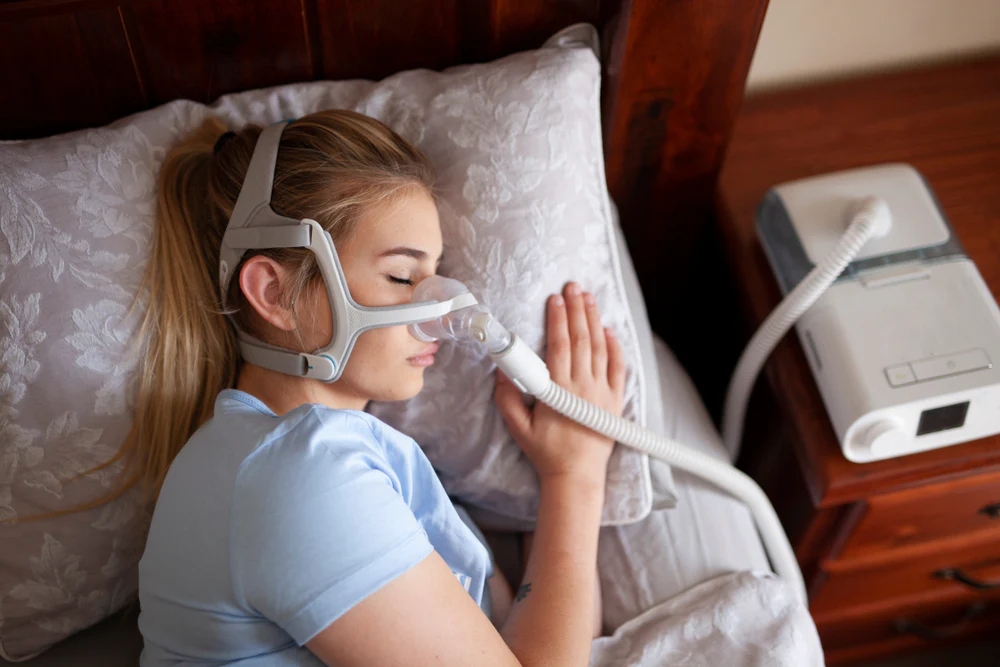
PAP devices are the primary intervention for OSA. They function by creating a "pneumatic splint" using filtered room air.
- CPAP (Continuous Positive Airway Pressure): Delivers a single, steady stream of air pressure that holds the airway open.
- BiPAP (Bilevel Positive Airway Pressure): Features two pressure settings—a higher pressure for inhalation ($IPAP$) and a lower pressure for exhalation ($EPAP$). This is often used for individuals who find it difficult to breathe out against constant pressure or those with certain lung conditions.
- APAP (Auto-adjusting Positive Airway Pressure): Uses internal algorithms to sense changes in breathing patterns and adjust the pressure level breath-by-breath.
Mandibular Advancement Devices (MADs)
Oral appliances, primarily MADs, are used for mild-to-moderate OSA.
- Mechanism: These devices are custom-fitted to the teeth and function by physically shifting the lower jaw (mandible) forward.
- Purpose: By advancing the mandible, the device increases the space at the back of the throat and stabilizes the soft palate and tongue, reducing the likelihood of tissue collapse.
Hypoglossal Nerve Stimulation (HGNS)
For cases where external devices are not tolerated, implantable technology may be utilized.
- Mechanism: A small pulse generator is surgically placed in the chest. It is connected to a lead that monitors breathing patterns and another lead that contacts the hypoglossal nerve (which controls tongue movement).
- Purpose: During sleep, the device delivers mild stimulation to the nerve, causing the tongue to move forward and clear the airway each time the user takes a breath.
3. Presenting the Full Picture: Objective Clinical Discussion
The selection of a device is determined through objective data gathered during a sleep study (Polysomnography). According to the World Health Organization (WHO), an estimated 100 million people worldwide are affected by sleep apnea, necessitating standardized technical interventions.
Device Comparison and Utility
| Device Type | Primary Indication | Mechanism of Action | Portability |
| CPAP | Moderate to Severe OSA | Continuous air pressure | Moderate |
| Oral Appliance | Mild to Moderate OSA | Jaw repositioning | High |
| BiPAP | CSA or CPAP Intolerance | Dual-level air pressure | Moderate |
| Nerve Stimulator | Refractory OSA | Neuromuscular activation | Built-in |
Regulatory and Accuracy Standards
Medical devices for sleep apnea are classified and regulated by bodies such as the U.S. Food and Drug Administration (FDA). They must meet strict standards for "pressure stability" and "carbon dioxide rebreathing" safety. Data from the American Academy of Sleep Medicine (AASM) indicates that device efficacy is highly dependent on "adherence"—the number of hours the device is used per night .
4. Summary and Future Outlook
Sleep apnea technology has transitioned from heavy, noisy machinery to quiet, data-integrated systems. The current trend in the field is the move toward "personalized sleep medicine," where device settings are automatically optimized using cloud-based artificial intelligence.
Future Directions in Research:
- Adaptive Servo-Ventilation (ASV): Advanced algorithms specifically for complex sleep apnea that adjust the volume of air delivered based on the user's own respiratory history.
- Smart Fabric Sensors: Research into wearable shirts or belts that can monitor breathing and body position to trigger positional therapy (vibrations that encourage the user to move off their back).
- Miniaturization: Developing tubeless, micro-CPAP devices that could potentially operate without a traditional bedside unit, though battery and motor efficiency remain technical hurdles.
5. Q&A: Clarifying Common Technical Inquiries
Q: What is the significance of the AHI in device setup?
A: The Apnea-Hypopnea Index (AHI) is the number of pauses in breathing per hour. Devices are calibrated to reduce this number, typically aiming for an AHI of less than 5, which is considered the threshold for normal breathing.
Q: Why do some devices include a humidifier?
A: Pressurized air can cause the drying of the nasal and oral mucosa. A heated humidifier adds moisture to the air stream, which is intended to increase comfort and prevent congestion or irritation of the airway.
Q: Is an oral appliance as effective as a CPAP?
A: Objective clinical trials show that while CPAP is more effective at completely eliminating apneas, oral appliances are often used more consistently by patients with mild-to-moderate OSA due to comfort, which can result in similar overall health outcomes.
Q: How do devices detect when someone is having an apnea?
A: PAP devices contain sensitive flow sensors that monitor the velocity and volume of air. If the airflow drops by a certain percentage for 10 seconds or more, the device's internal software logs it as an event and may adjust the pressure accordingly.
This article serves as an informational overview of the technological landscape of sleep apnea management. For specific clinical data or diagnostic protocols, readers are encouraged to consult the National Sleep Foundation or the European Sleep Research Society.