Why Juvederm Facelift Is Gaining Popularity in Non‑Surgical Skincare
As demand rises for non‑invasive alternatives to surgical facelifts, the Juvederm Facelift has become a leading choice for facial rejuvenation. This injectable dermal filler restores volume and smooths fine lines with minimal downtime, fitting into busy lifestyles. Below is an outline of how Juvederm works, its potential advantages, the application process, and what to expect after treatment.
Relatedsearches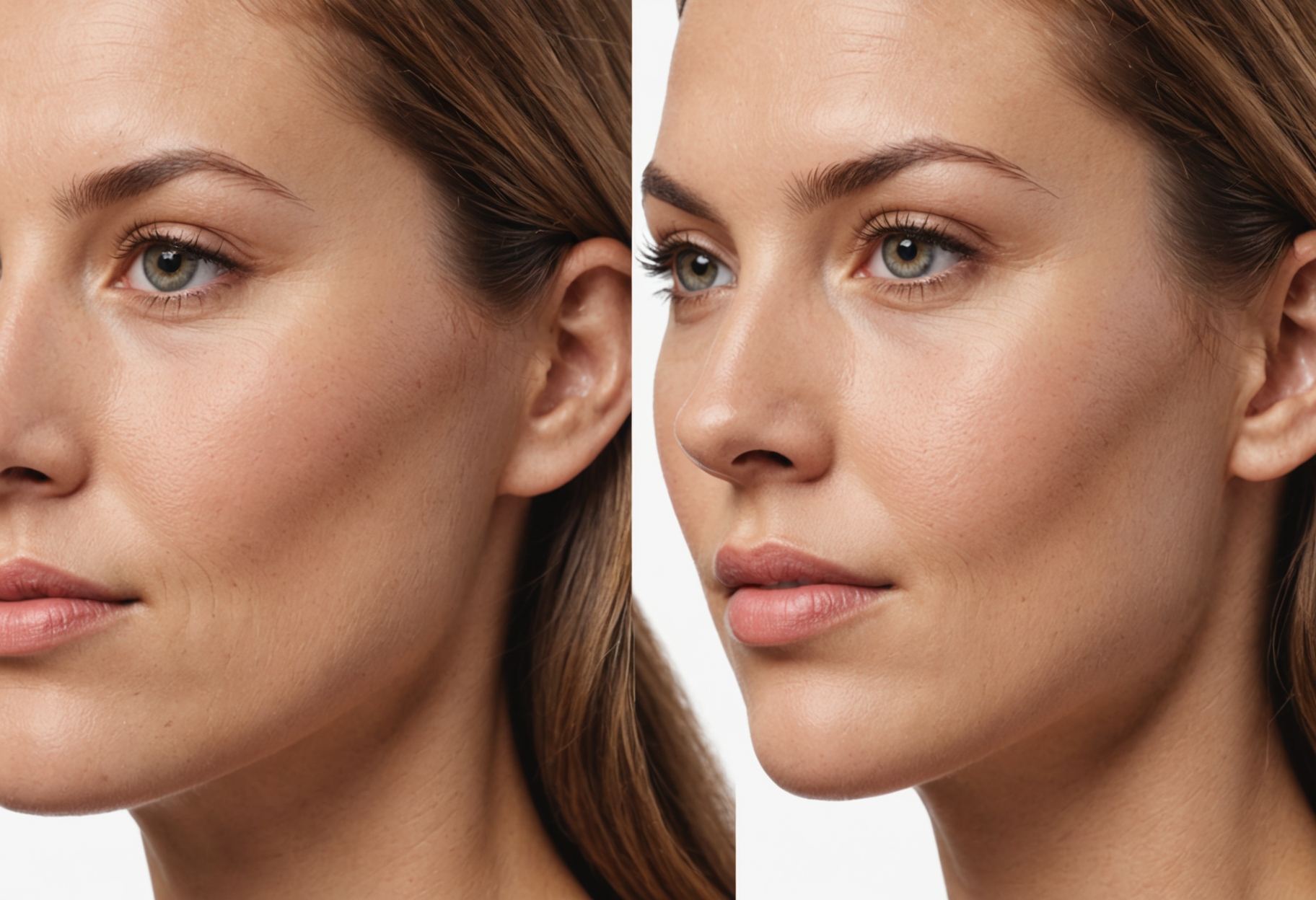
What Is a Juvederm Facelift?
Juvederm comprises a family of injectable fillers made from hyaluronic acid, a substance naturally present in skin that retains moisture and volume. In a Juvederm Facelift, targeted injections enhance areas such as cheeks, jawline, and nasolabial folds. Treatment sessions typically last under an hour, and normal activities can usually resume immediately afterward.
ClickTag link=https://www.abbvieclinicaltrials.com/study/?id=1878-702-008& text=View Now
How Does Juvederm Work?
Hyaluronic acid in Juvederm attracts and binds water molecules beneath the skin, creating internal plumping that smooths surface wrinkles. Different formulations address distinct needs:
- Juvederm Voluma®: Designed to lift and contour the cheeks.
- Juvederm Ultra® XC: Commonly used for lip enhancement and fine‑line correction. These products are FDA‑approved for treating moderate to severe facial wrinkles and folds, with side effects usually limited to mild redness or swelling when administered by professionals
Relatedsearches
Benefits of a Juvederm Facelift
Key reasons for choosing this treatment include:
- Minimally Invasive: No surgical incisions, reducing recovery time.
- Customizable: Product selection tailored to individual facial anatomy and goals.
- Immediate Results: Plumping effects become visible right after treatment.
- Adjustability: Results can be modified or reversed using hyaluronidase if needed. Clinical studies support Juvederm’s safety and efficacy in aesthetic applications .
How to Apply for Juvederm Facelift Trials
- Find Trials: Search ClinicalTrials.gov for “Juvederm facelift trial” or inquire at local dermatology practices.
- Check Eligibility: Review inclusion criteria such as age, skin condition, and medical history.
- Submit an Application: Complete an online or paper form provided by the study sponsor.
- Attend Screening: Undergo a physical exam and consent process to confirm suitability.
- Schedule Treatment: Coordinate with the trial coordinator for injection appointments and follow‑up visits. Participants typically receive an honorarium for time and feedback .
What to Expect After Treatment & Conclusion
Following injections, mild swelling, bruising, or tenderness may appear but generally resolves within a few days. Final results typically stabilize within two weeks. Effects can last from six months to two years, depending on the Juvederm formulation and individual metabolism . Post‑procedure recommendations often include avoiding strenuous exercise and excessive heat for 24–48 hours to ensure optimal outcomes. With professional oversight and careful aftercare, Juvederm Facelifts provide a flexible, minimally invasive option for facial rejuvenation.
🔗 Data Sources
- https://clinicaltrials.gov/study/NCT04414397
- https://www.allure.com/story/voluma-gets-fda-approval
- https://www.allure.com/story/cannula-injections-juvederm-voluma-xc-cheek-filler-fda-approval
- https://www.allure.com/story/juvederm-vollure-xc-filler-laugh-lines
- https://news.abbvie.com/2020-06-15-FDA-Approves-JUVEDERM-R-VOLUMA-TM-XC-for-Enhancement-of-the-Chin-Region
- https://pmc.ncbi.nlm.nih.gov/articles/PMC3739705/