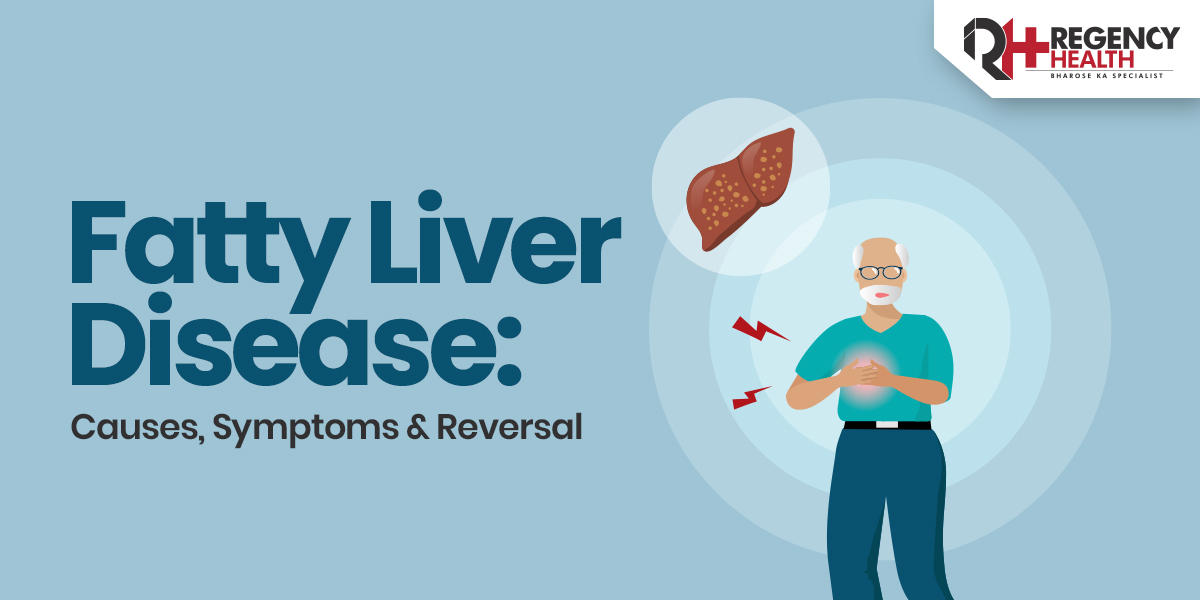
Fatty Liver Disease: Early Warning Signs, Causes, and Treatment You Should Not Ignore
Fatty liver disease is becoming one of the most common metabolic conditions worldwide. What makes it dangerous is not only its prevalence, but also the fact that it often develops silently without obvious symptoms in the early stages.
Many people only discover the condition during routine blood tests or imaging exams. By that time, fat accumulation in the liver may already be significant.
Early awareness is the key to prevention and reversal.
Relatedsearches
What Is Fatty Liver Disease?
Fatty Liver Disease refers to a condition where excess fat builds up in liver cells. This fat accumulation interferes with normal liver function, including metabolism, detoxification, and energy regulation.
The liver is responsible for hundreds of essential functions, including:
- Processing nutrients from food
- Filtering toxins from the blood
- Regulating fat and sugar metabolism
- Supporting digestion and energy production
When fat builds up excessively, these functions become less efficient, leading to metabolic imbalance.
There are two main types:
- Non-alcoholic fatty liver disease (NAFLD)
- Alcohol-related fatty liver disease
Both can progress silently if not managed early.
⚠️ 5 Early Warning Signs of Fatty Liver Disease
In many cases, fatty liver disease does not cause pain in the early stage. However, subtle signals may appear:
1. Persistent fatigue
Feeling tired even after adequate rest may indicate reduced liver metabolic efficiency.
2. Abdominal discomfort
A dull ache or heaviness in the upper right abdomen can be an early warning sign.
3. Unexplained weight gain
Fat metabolism imbalance may lead to gradual weight increase, especially around the abdomen.
4. Digestive issues
Bloating, indigestion, and slow digestion may appear due to reduced bile function.
5. Blood test abnormalities
Elevated liver enzymes (ALT, AST) are often the earliest clinical indicators.
👉 Many patients realize these signs only after diagnosis and regret not paying attention earlier.
What Causes Fatty Liver Disease?
Fatty liver is closely linked to modern lifestyle habits.
Common causes include:
- High-sugar diet
- Processed and fried foods
- Sedentary lifestyle
- Obesity or overweight
- Insulin resistance
- Excess alcohol consumption
Among these, poor diet and lack of physical activity are the most common drivers.
Can Fatty Liver Be Reversed?
The good news is: early-stage fatty liver is often reversible.
Clinical studies and medical guidelines suggest that lifestyle changes can significantly reduce liver fat over time.
Key improvements include:
- Reducing sugar and refined carbohydrates
- Increasing fiber intake
- Regular physical activity
- Weight reduction (even 5–10% can help)
- Limiting alcohol intake
👉 Consistency is more important than extreme dieting.
Treatment Approaches for Fatty Liver Disease
There is currently no single “magic pill” that cures fatty liver disease. Treatment is usually based on addressing underlying metabolic issues.
Main medical approaches include:
- Lifestyle modification (first-line treatment)
- Blood sugar control
- Lipid management
- Weight management programs
- Regular liver function monitoring
In some cases, doctors may prescribe medications to manage associated conditions such as high cholesterol or insulin resistance.
However, medication alone is not sufficient without lifestyle improvement.
Why Early Intervention Matters
Fatty liver disease progresses in stages:
- Simple fat accumulation
- Inflammation (steatohepatitis)
- Fibrosis
- Cirrhosis (advanced liver damage)
The earlier it is detected, the easier it is to reverse or control.
Once the disease progresses to later stages, treatment becomes more complex and less reversible.
Relatedsearches
Lifestyle Tips to Improve Liver Health
Experts recommend simple but consistent habits:
- Eat a balanced, low-sugar diet
- Exercise at least 3–5 times per week
- Maintain a healthy body weight
- Avoid or limit alcohol intake
- Drink enough water daily
- Sleep 7–8 hours per night
Even small daily improvements can significantly reduce liver fat over time.
Conclusion
Fatty liver disease is a silent but increasingly common condition. It often develops without obvious symptoms, making early awareness extremely important.
The key message is simple:
👉 Early detection + lifestyle change = better liver health outcomes
While the condition can progress if ignored, early-stage fatty liver disease is often manageable and even reversible with consistent lifestyle adjustments.
Taking action early is the most effective way to protect long-term liver health.